No More Guesswork: How to Build a Perfect Skincare Routine for Your Skin Type
You’ve identified your skin type—now what? A targeted skincare routine is your roadmap to a healthier, more balanced complexion. The goal isn’t to use a dozen products, but to use the right ones in the correct order.
This guide breaks down the essential steps and product recommendations for every skin type, from oily to dry and everything in between.
The Universal Skincare Order: How to Layer Products
No matter your skin type, the general rule of thumb for layering is: Lightest to Heaviest Texture.
- Cleanser (Water-Based)
- Toner (Liquid)
- Serum (Water-Based Treatment)
- Moisturizer (Cream/Lotion-Based)
- Sunscreen (Morning Only)
The Core 3-Step Routine (For Absolute Beginners)
If you’re new to skincare, master this basic routine first. It’s the non-negotiable foundation for everyone.
- AM: Cleanser, Moisturizer, Sunscreen
- PM: Cleanser, Moisturizer
Now, let’s customize it.
1. The Routine for Oily Skin
Goal: Balance oil production, minimize pores, and prevent breakouts.
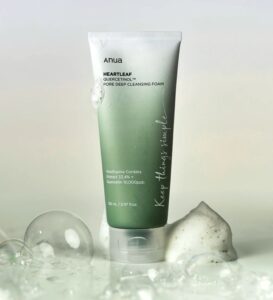
- Cleanser: A gel or foaming cleanser with ingredients like Salicylic Acid (BHA) or Tea Tree Oil to deeply clean pores and control oil.
- Example Ingredients: Salicylic Acid, Glycolic Acid, Charcoal.
- Toner (Optional but Recommended): An alcohol-free, balancing toner with Niacinamide or Witch Hazel to refine pores and control shine.
- Example Ingredients: Niacinamide, Witch Hazel, LHA.
- Serum: A lightweight serum focused on oil regulation and hydration.
- Day: Niacinamide to regulate sebum and minimize pores.
- Night: A hydrating serum with Hyaluronic Acid (oil-free skin still needs water!).
- Moisturizer: An oil-free, non-comedogenic gel or water-cream. The goal is to hydrate without adding heaviness.
- Example Ingredients: Hyaluronic Acid, Squalane, Glycerin.
- Sunscreen: A lightweight, matte-finish, or gel-based sunscreen. Mineral sunscreens with zinc oxide can also help calm inflammation.
- Key Terms: “Oil-free,” “Mattifying,” “Non-comedogenic.”
Weekly Treatment (1-2x/week): A Clay Mask with kaolin or bentonite clay to draw out impurities and absorb excess oil.
2. The Routine for Dry Skin
Goal: Replenish moisture, repair the skin barrier, and soothe tightness.
- Cleanser: A hydrating, creamy, or milky cleanser that doesn’t strip the skin.
- Example Ingredients: Ceramides, Glycerin, Oils, Shea Butter.
- Avoid: High-foaming, sulfate-based cleansers.
- Toner (Optional but Recommended): A hydrating toner or essence to flood the skin with moisture immediately after cleansing.
- Example Ingredients: Hyaluronic Acid, Glycerin, Centella Asiatica.
- Serum: A hydrating and barrier-supporting serum is essential.
- Key Ingredients: Hyaluronic Acid (to attract water) and Ceramides (to lock it in).
- Moisturizer: A rich cream or balm that contains a mix of humectants (to attract water) and occlusives (to seal it in).
- Example Ingredients: Shea Butter, Ceramides, Squalane, Jojoba Oil.
- Sunscreen: A hydrating cream or lotion sunscreen. Look for formulas with added moisturizing benefits.
- Key Terms: “Hydrating,” “Nourishing,” “Cream.”
Weekly Treatment (1-2x/week): A Sleeping Mask or a thick layer of your moisturizer as an overnight mask to intensely replenish moisture.
3. The Routine for Combination Skin
Goal: Balance the T-Zone without stripping the cheeks. It’s all about strategic application.
- Cleanser: A gentle, low-foam or milky cleanser that effectively cleans without over-drying.
- Example Ingredients: Green Tea, Centella Asiatica, gentle surfactants.
- Toner (Optional): A balancing toner that doesn’t contain harsh alcohols. You can also try a two-step approach: a BHA toner only on the T-Zone if it’s very oily.
- Serum: A multi-tasking serum that addresses hydration and balance, like Niacinamide. You can also layer serums—a hydrating one on the cheeks and an oil-controlling one on the T-zone.
- Moisturizer: A lightweight lotion or gel-cream that provides balanced hydration. You can also use a lighter moisturizer all over and a richer one only on dry patches.
- Sunscreen: A lightweight lotion or milk that won’t feel heavy on the T-zone or dry out the cheeks.
Weekly Treatment (1x/week): A Multi-Masking approach. Use a clay mask on your T-Zone (forehead, nose, chin) and a hydrating mask on your cheeks simultaneously.
4. The Routine for Normal Skin
Goal: Maintain health, prevent future damage, and address minor concerns.
- Cleanser: A gentle cream, gel, or foaming cleanser that maintains your skin’s natural balance.
- Toner (Optional): A hydrating or pH-balancing toner to prep the skin.
- Serum: This is where you can target your specific goals! Want brightness? Use Vitamin C in the AM. Want prevention? Use a peptide serum. Want extra glow? Use Hyaluronic Acid.
- Moisturizer: A standard lotion or cream that keeps your skin comfortable.
- Sunscreen: Any texture you enjoy—lotion, milk, or gel—as long as you use it every day.
Weekly Treatment (1x/week): An AHA (like Glycolic or Lactic Acid) to exfoliate and maintain radiance, or a hydrating mask for a boost.
5. The Routine for Sensitive Skin
Goal: Soothe, protect, and strengthen the skin barrier. Minimize reactivity.
- Cleanser: An ultra-gentle, fragrance-free, soap-free cleanser.
- Example Ingredients: Centella Asiatica, Oat, Ceramides.
- Toner (Optional): A calming mist or toner with skin-strengthening ingredients.
- Example Ingredients: Centella Asiatica, Madecassoside, Oat.
- Serum: A barrier-repairing serum is your best friend.
- Key Ingredients: Ceramides, Centella Asiatica, Niacinamide (if you know you tolerate it).
- Moisturizer: A simple, rich cream focused on barrier repair.
- Key Terms: “Fragrance-Free,” “Hypoallergenic,” “For Sensitive Skin.”
- Sunscreen: A mineral sunscreen (with Zinc Oxide and/or Titanium Dioxide) is often best tolerated, as they are less likely to cause irritation.
The Golden Rule for Sensitive Skin: Patch Test! Always try a new product on a small area (like behind your ear or inner arm) for a few days before applying it to your entire face.
Weekly Treatment: Be cautious with exfoliants. If you use one, choose a gentle PHA (Polyhydroxy Acid) no more than once a week, or skip it entirely.
Pro Tips for Everyone
- Introduce One Product at a Time: Wait 1-2 weeks before adding another new product. This helps you identify what’s working and what’s causing irritation.
- Patch Test: As mentioned, this is crucial, especially for sensitive skin.
- Patience is Key: It takes 4-8 weeks of consistent use to see results for most active ingredients (like retinoids or brighteners).
- Sunscreen is Non-Negotiable: It is the single most important product for preventing premature aging and skin cancer. Use it 365 days a year.
Building your perfect routine is a journey of listening to your skin. It may change with the seasons, your stress levels, and your hormones. Use this guide as your starting point, observe how your skin responds, and adjust accordingly. Happy skincare building